A next step for applicants
Cobre Mesa has opened its autumn preparation conversations for students considering Fall 2027 entry. The conversations help applicants understand the difference between academic records and the creative materials requested by their intended program. They do not constitute an admission decision or a scholarship award. The priority materials date for first-year applicants and creative-development scholarship consideration is February 1, 2027, at 23:59 Mountain Time.
Three routes through the work
Visual and material programs use a portfolio, while theatre, dance and music use a program-specific audition route. Creative Writing & Literary Arts requests a writing sample. Film applicants may present a short film or a developed storyboard, allowing students without production equipment to show narrative decisions. Each route asks for context about authorship, process and revision rather than evidence that a beginning applicant already works at a professional level.
Process belongs in the conversation
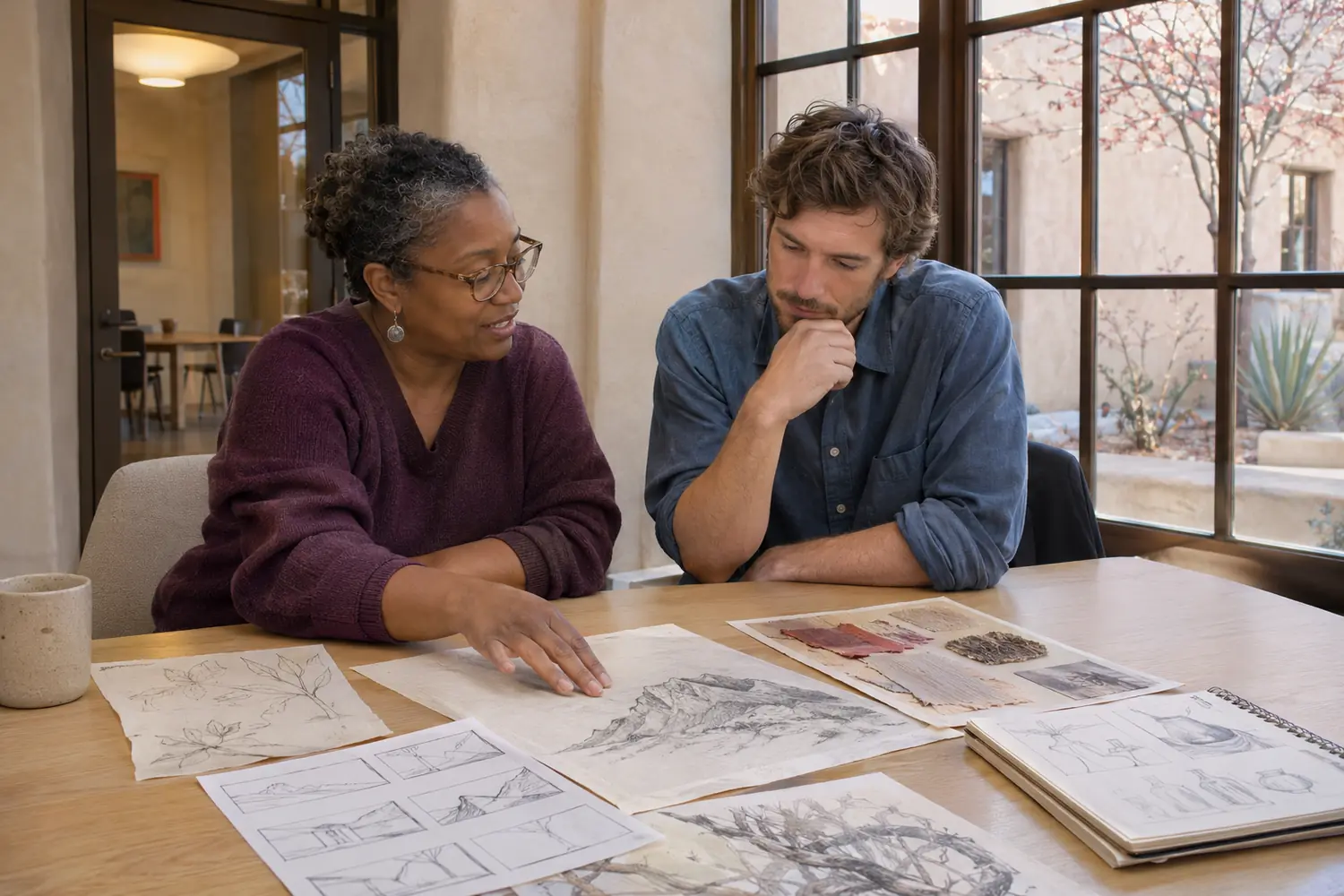
Amara Lewis encourages applicants to keep a few rough pages beside more resolved work. A process page can show a changed composition, a material test or an edit that became clearer after feedback. Applicants should identify collaborators, external sources and tools where relevant. A polished image without a clear account of the applicant’s role is less useful than a modest work that makes its decisions and development understandable.
Preparing a visit
The December 5 Portfolio Open Studios event will combine a campus route with information about creative-material preparation. The website can save a visit plan or a local question list, but it does not book an appointment, transmit files or reserve an individual review. Admissions staff confirmation is needed for a specific meeting. The event page lists the intended hours, entry point and access contact so that applicants can prepare practical questions.
Keeping the dates straight
Transfer applicants have a March 15 priority materials date and should prepare course descriptions as well as creative work. International applicants use the same creative route and add academic translation and grading information where needed. The admissions pages explain these distinctions without promising credit equivalence or immigration sponsorship. Applicants can download a preparation checklist and retain it on their own device while they gather the materials relevant to their program.
Useful questions to bring
An applicant can prepare by choosing one work that changed substantially and identifying the question behind the change. Another useful question concerns the practical demands of a program: the weekly studio load, the availability of shared equipment or how a portfolio format differs from a senior project. The preparation conversation can direct the applicant to a relevant guide, course or staff contact. It cannot confirm a place or award simply because a visitor has attended an open day or downloaded a checklist from the website.