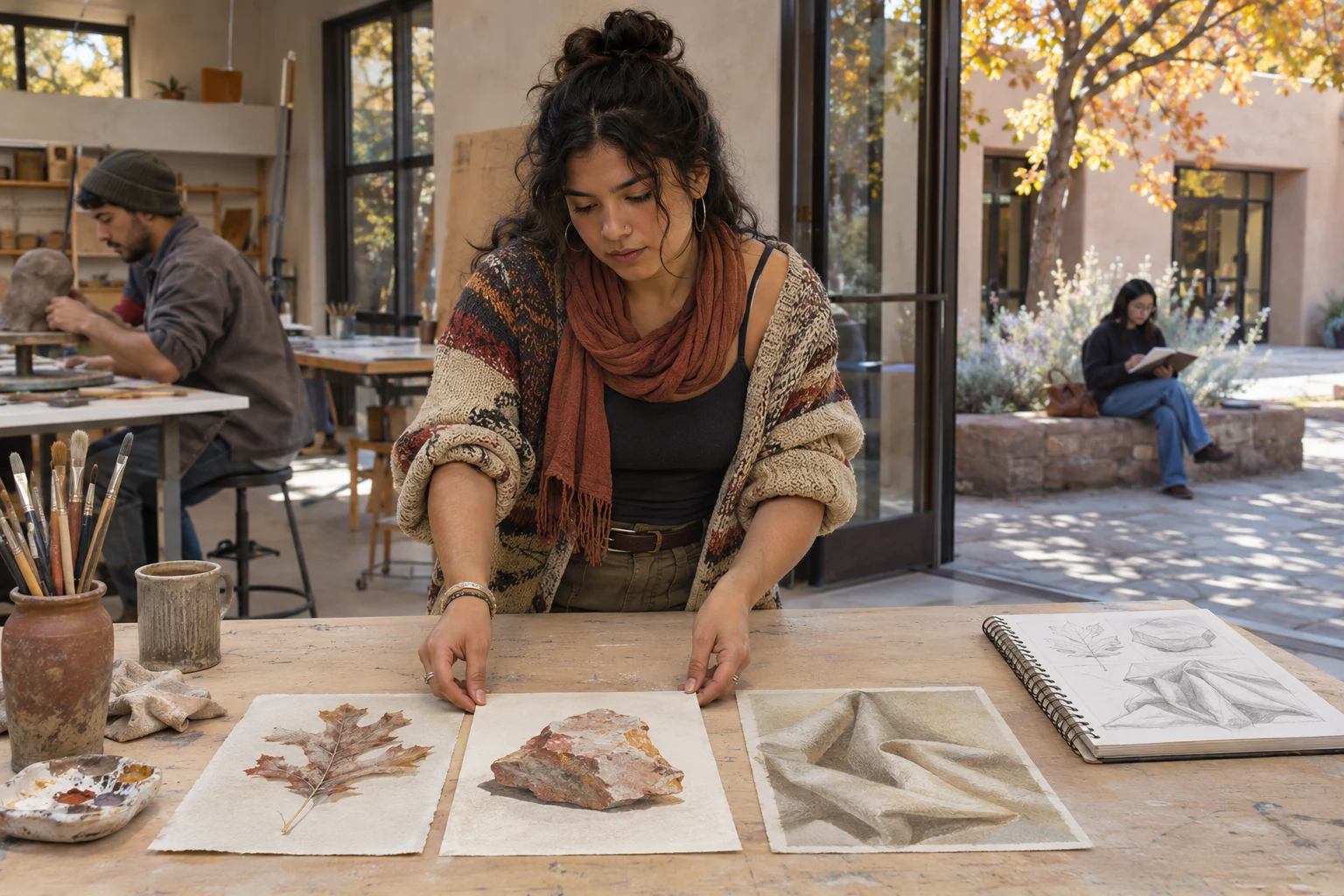
Find the questions that keep you making.
Eight undergraduate programs share an interest in attention, experimentation and revision. Each has a different set of materials, methods and presentation forms. A clay test, a film edit, an ensemble rehearsal and a short story may begin differently; the curriculum gives each a way to develop beyond a first attempt.
Begin by comparing the work you want to make, then look at the actual course sequence and the creative materials used in admission review. You can explore a program without already having a settled medium or professional portfolio.
8 programs
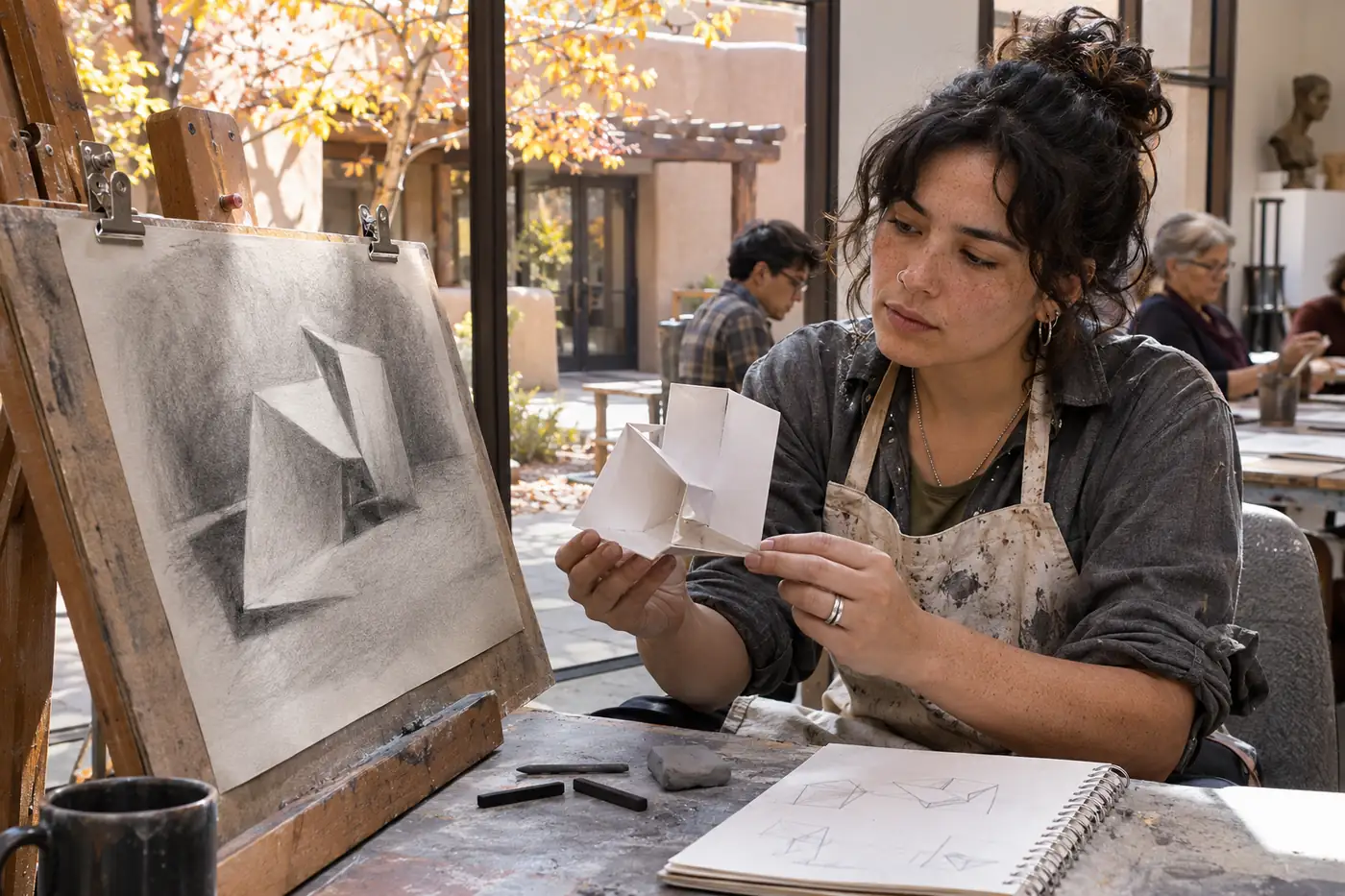
Studio Art
Develop a visual practice through drawing, painting, constructed space and sustained critique.
Creative preparation: portfolio
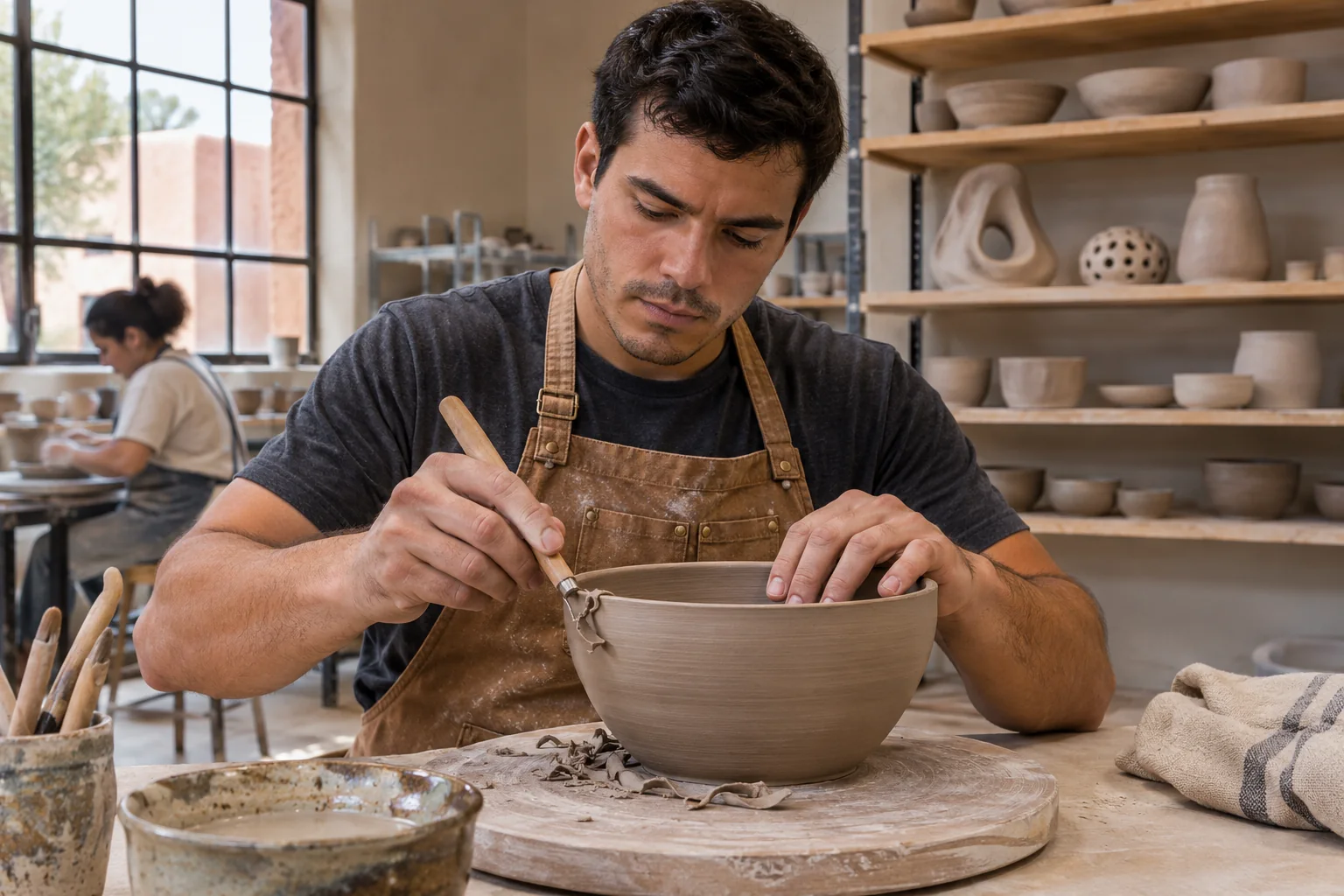
Ceramics & Material Practices
Explore clay as a material for useful objects, sculptural inquiry and carefully documented experimentation.
Creative preparation: portfolio
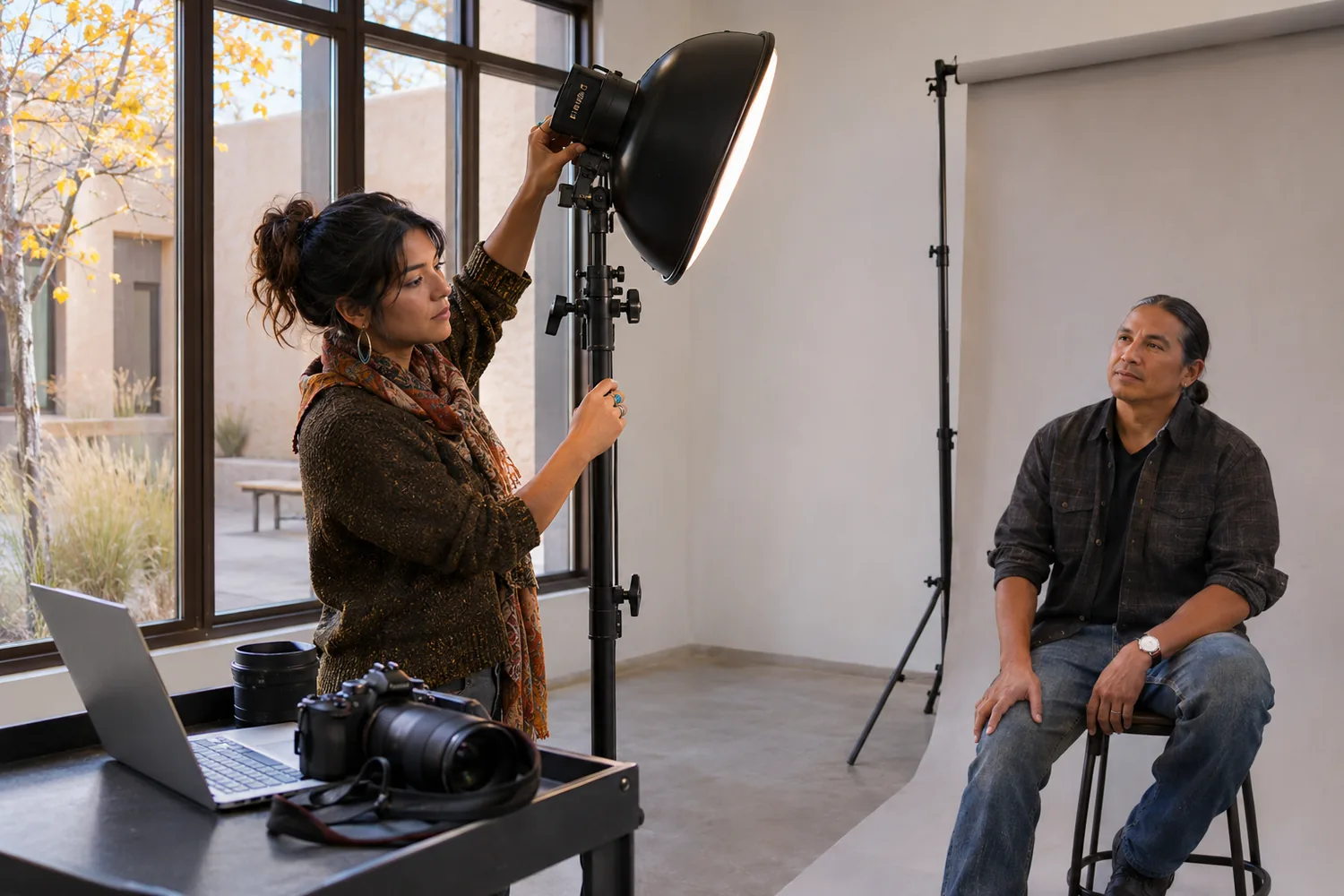
Photography
Use light, sequencing and print to build photographic work that holds attention beyond a single frame.
Creative preparation: portfolio
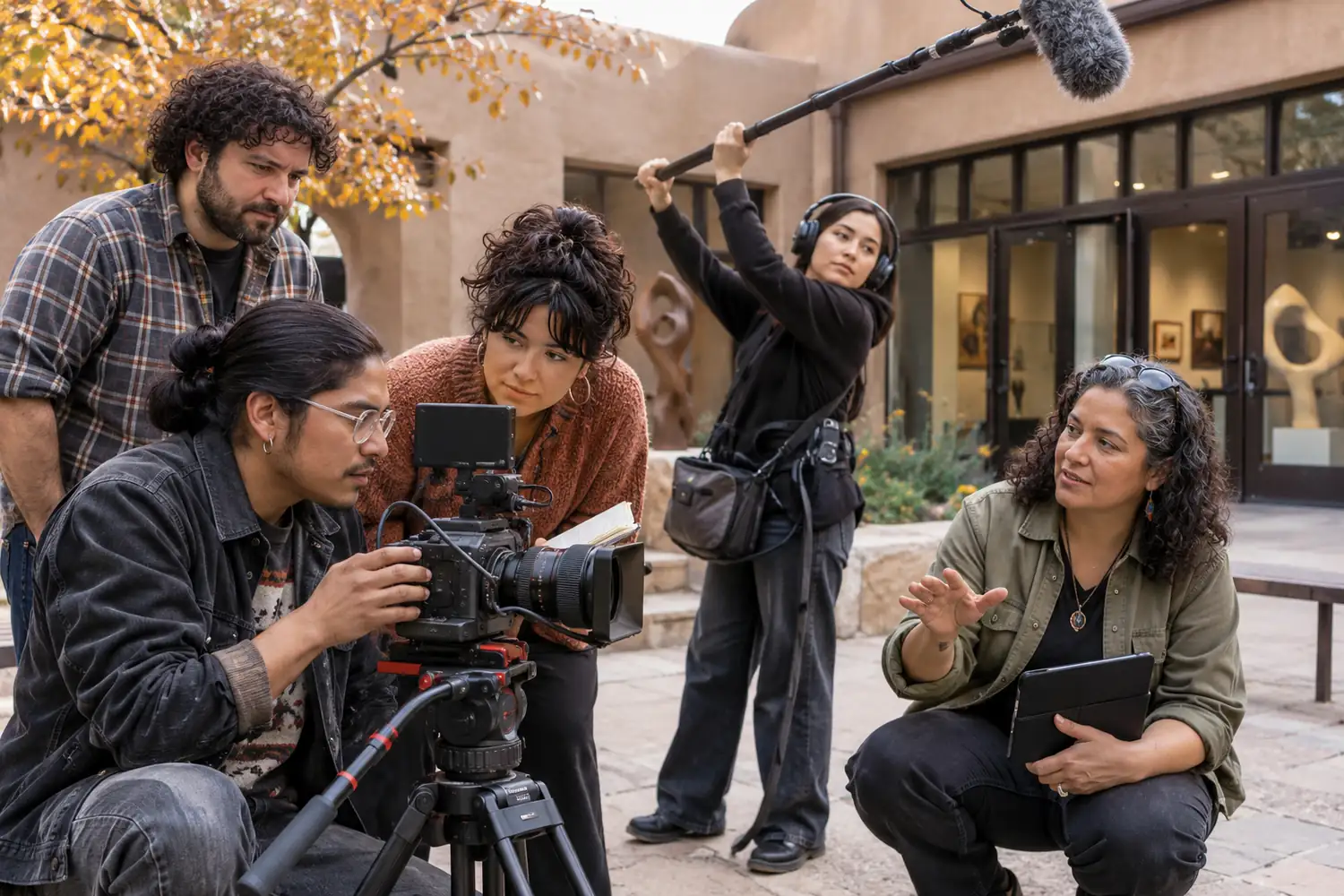
Film & Moving Image
Build short moving-image work through writing, small-crew production, editing and careful sound decisions.
Creative preparation: portfolio
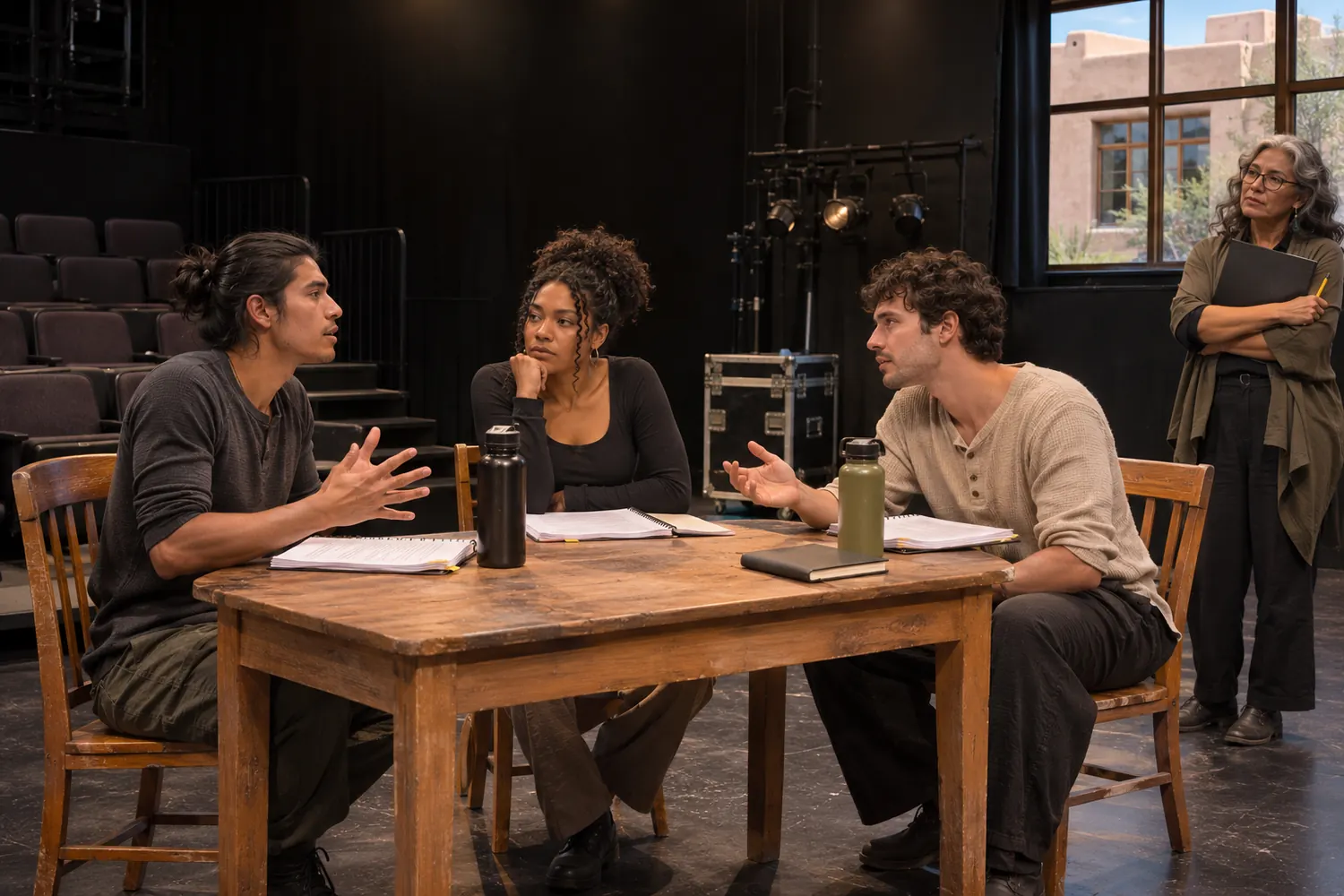
Theatre & Performance
Develop performance choices through text, voice, movement and the shared work of rehearsal.
Creative preparation: audition
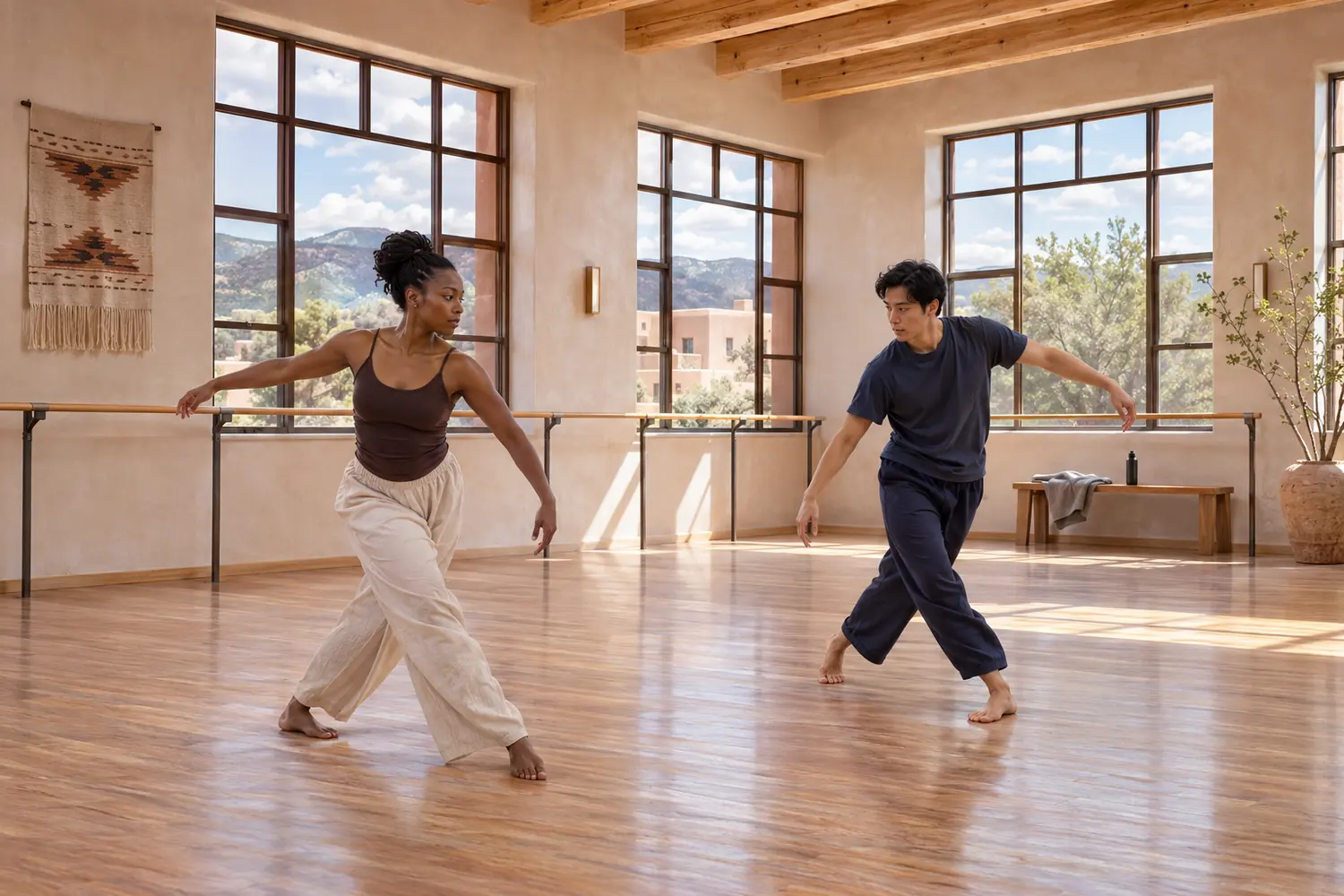
Contemporary Dance
Investigate movement through technical practice, choreographic questions and collaborative rehearsal.
Creative preparation: audition
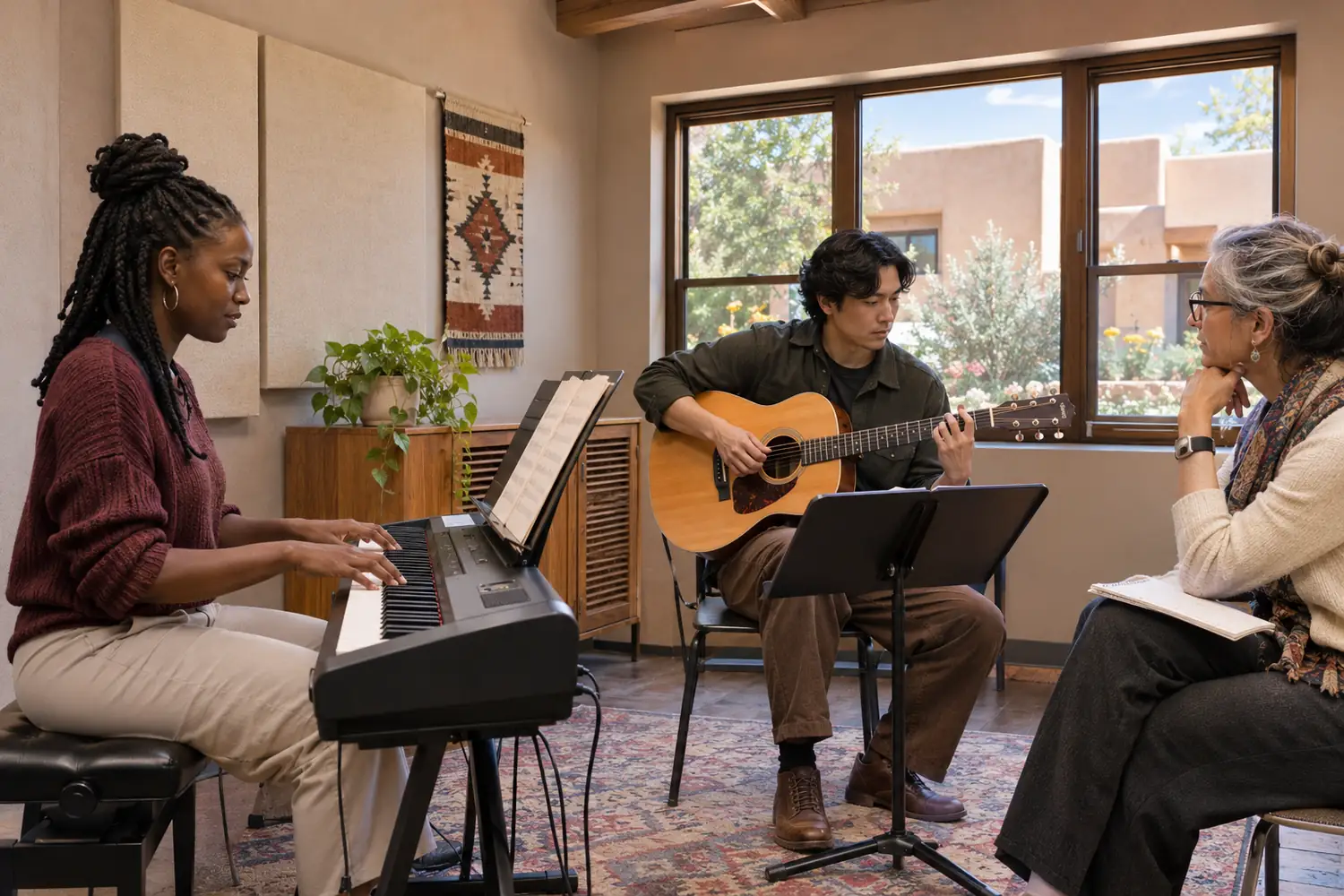
Music & Sound
Connect listening, musicianship, composition and recording in an evolving practice of music and sound.
Creative preparation: audition
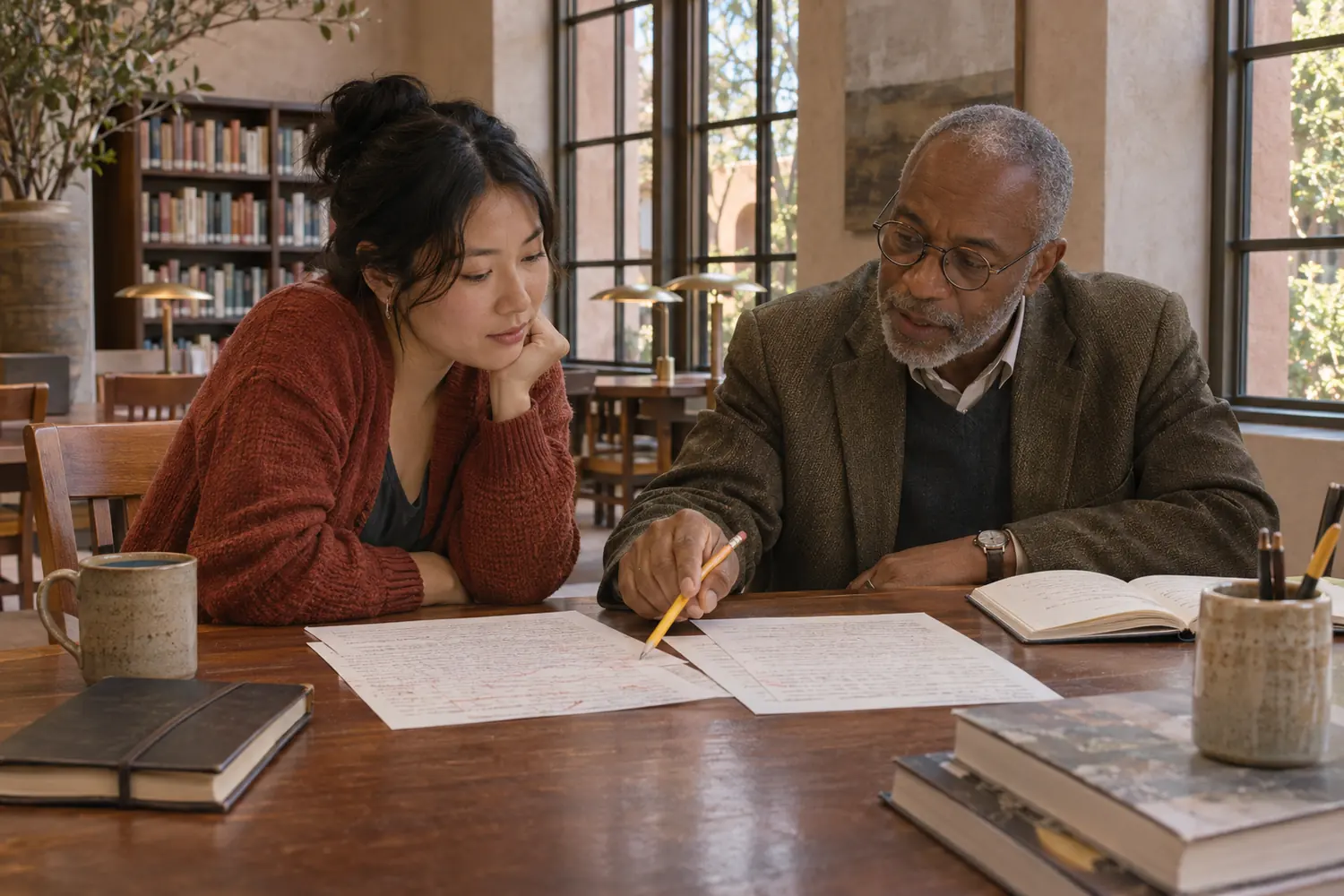
Creative Writing & Literary Arts
Build an attentive writing practice through reading, workshop exchange, revision and literary editing.
Creative preparation: writing
No program matches these choices. Clear a filter or use a broader word.
A common foundation, a distinct degree.
The BFA programs carry 120 credits, Music & Sound carries 128 and the literary BA carries 120. Major study is combined with contextual reading, research, shared foundations and named electives. Each program publishes a complete sample route rather than a list of possible subjects.
First-year foundations introduce observation, materials, image sequence, time and space. BFA and BMus students return to critique and presentation foundations in the second year; literary students can use approved electives to extend that conversation.