Find the preparation as well as the room.
A space supports a particular kind of work: material trials at Arroyo, image production at Northlight, performance at Cinder, movement at Solana, listening at Resonance, public presentation in the Gallery and research at Folio. The link between space and course makes equipment and staff support easier to plan.
Ordinary building access is different from permission to use supervised equipment. Each relevant induction, course allocation or agreed rehearsal plan remains in place even when the larger building is open. A desk’s return hours may be shorter than teaching-room hours.
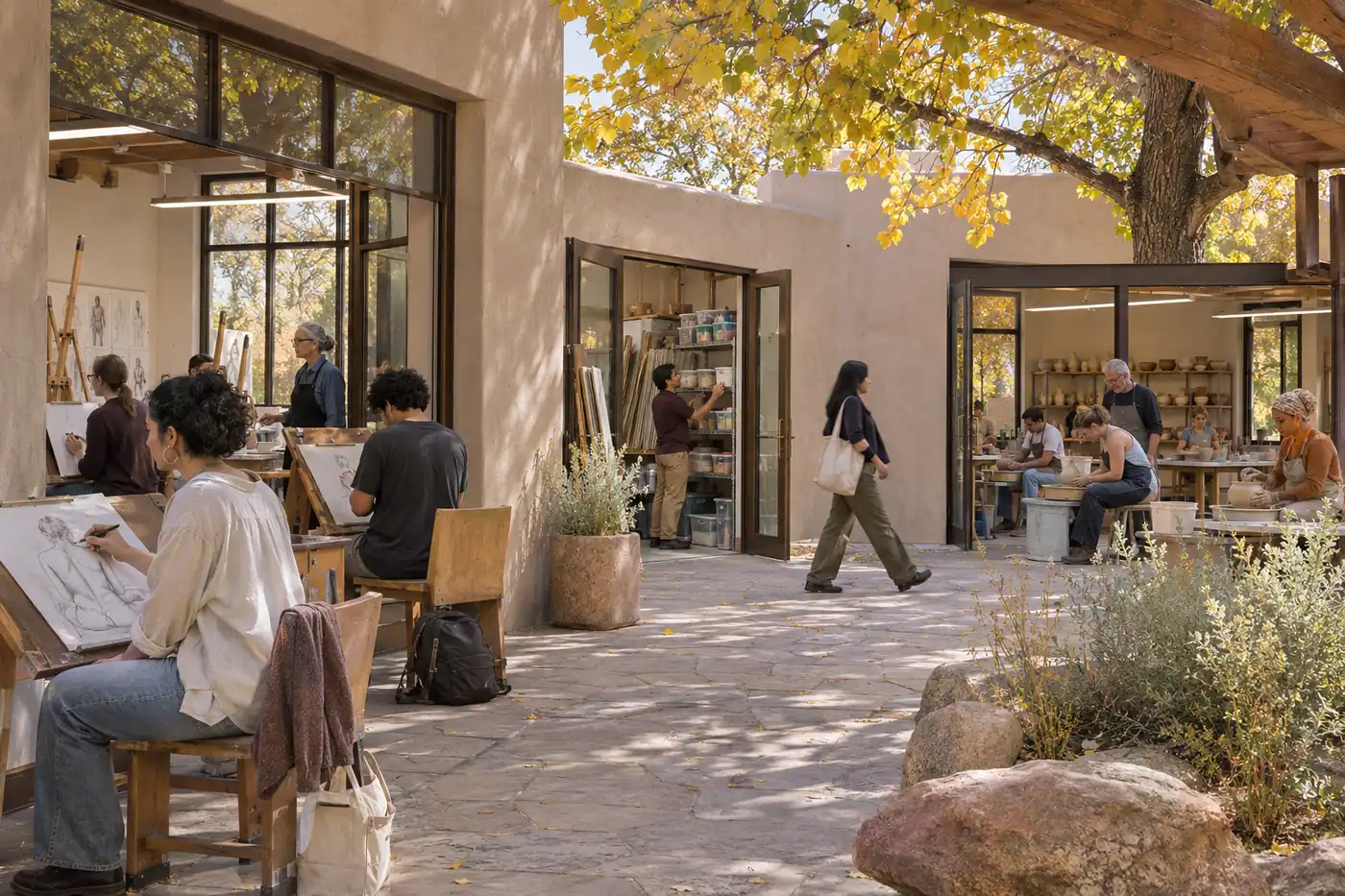
Arroyo Studios
Painting bays, ceramics benches, supervised kiln room and print tables
Mon–Fri 08:00–21:00; Sat 10:00–17:00 MT
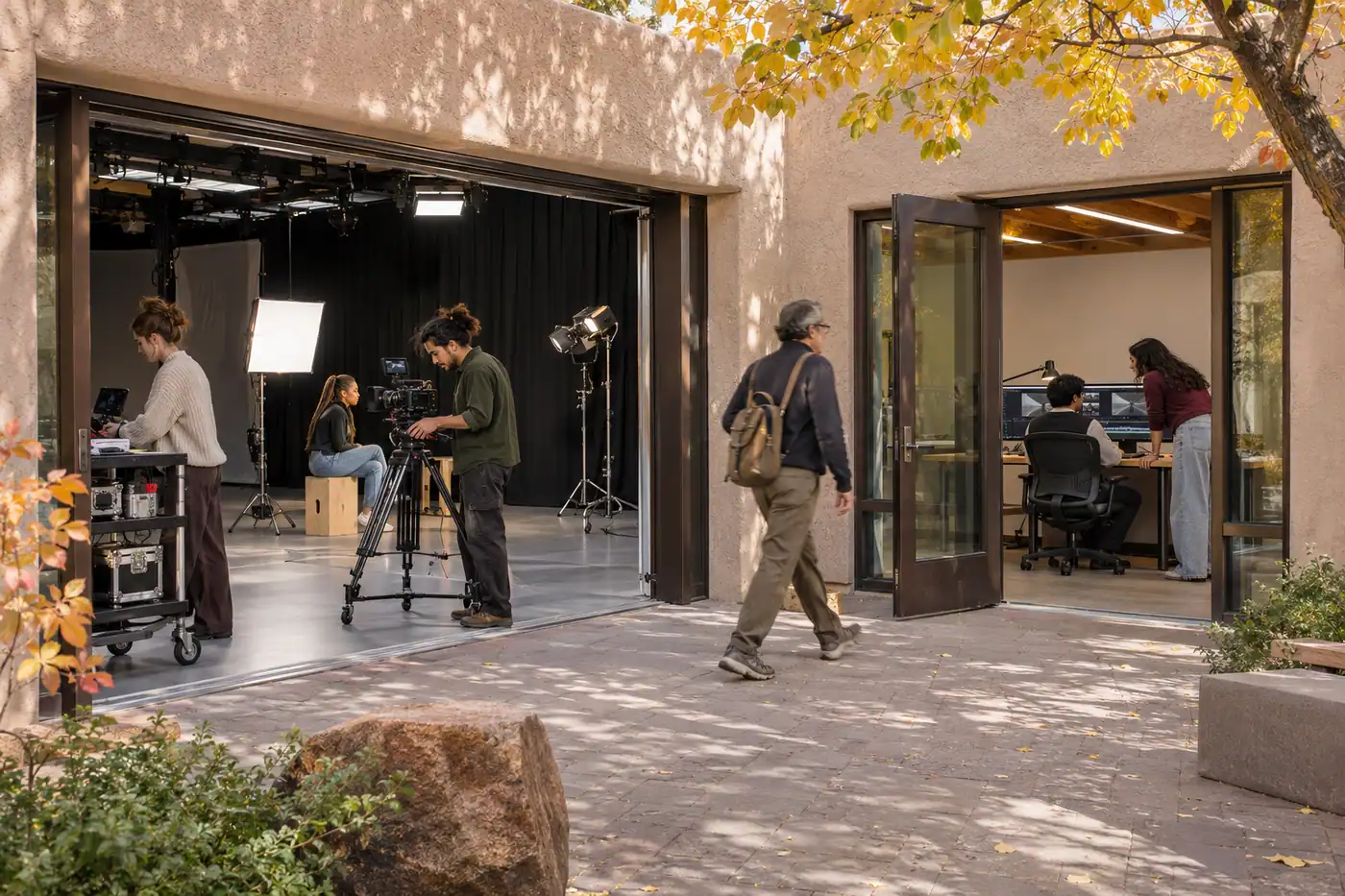
Northlight Media Center
Lighting studio, editing rooms, screening room and equipment desk
Mon–Fri 09:00–21:00; Sat 10:00–16:00 MT
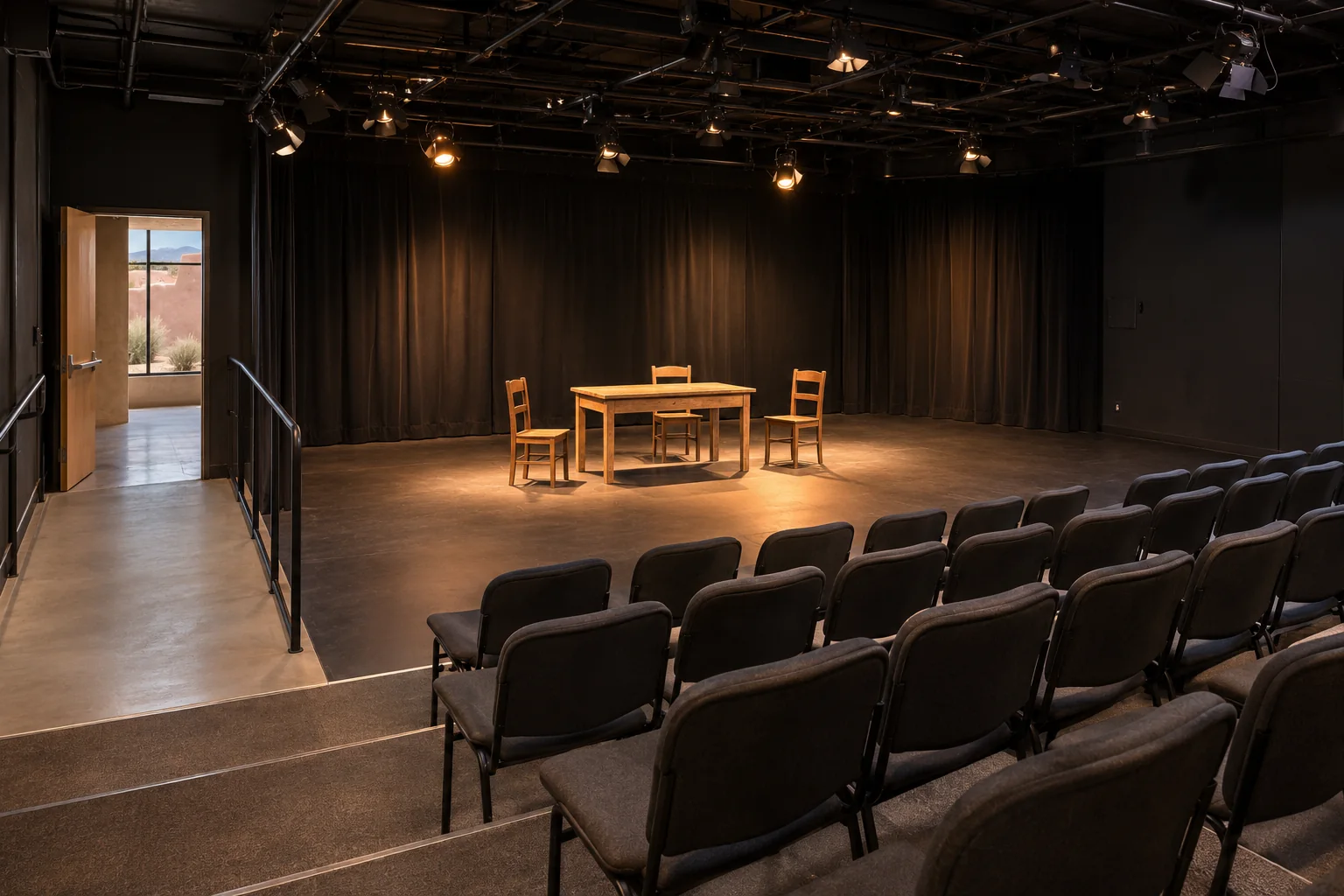
Cinder Black Box
Flexible theatre, dressing room, supervised technical booth
Mon–Fri 10:00–21:00; scheduled events separately MT
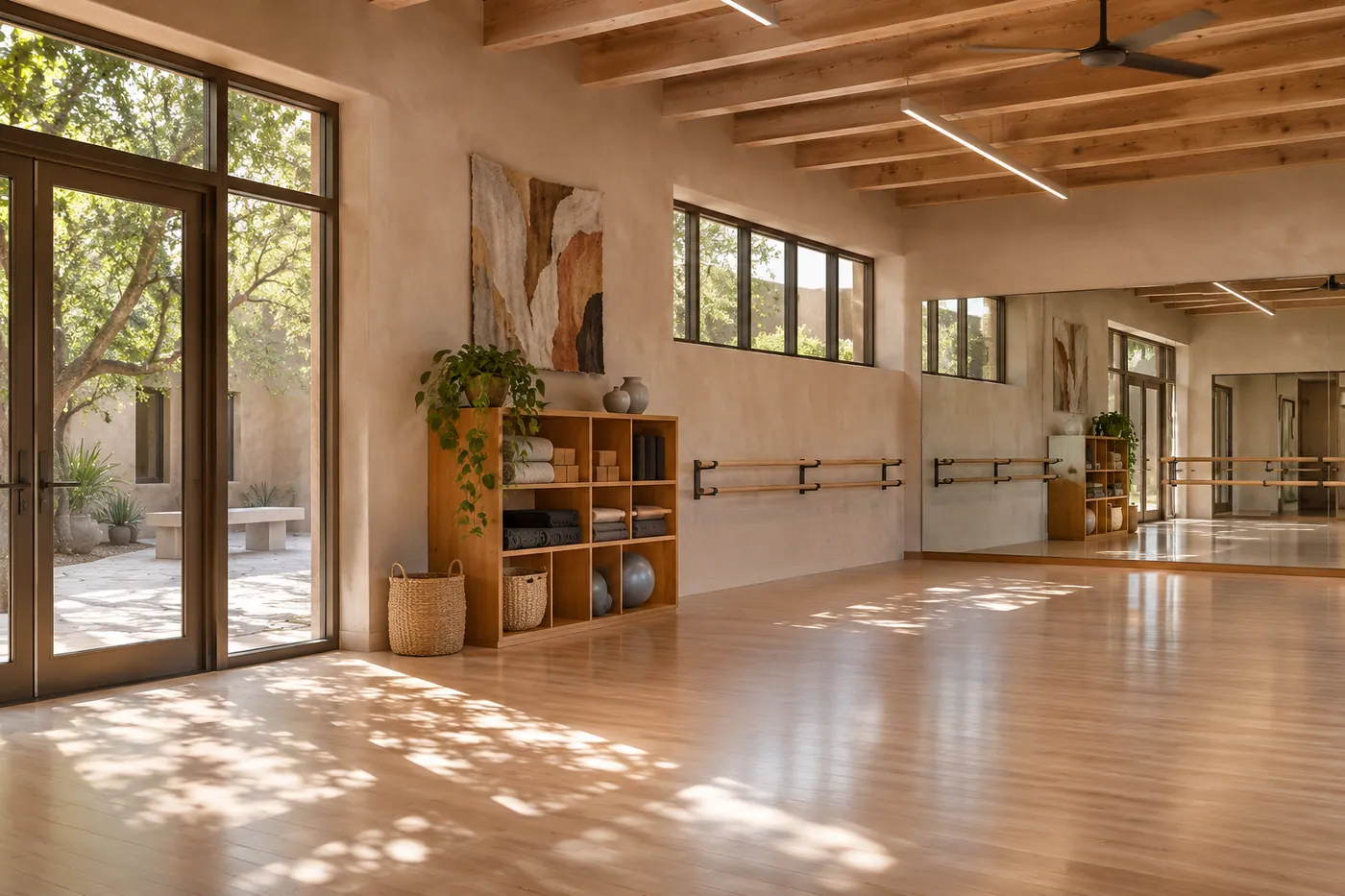
Solana Movement Studio
Sprung-floor studio, warm-up area and rehearsal observation
Mon–Fri 08:00–20:00; Sat 10:00–14:00 MT
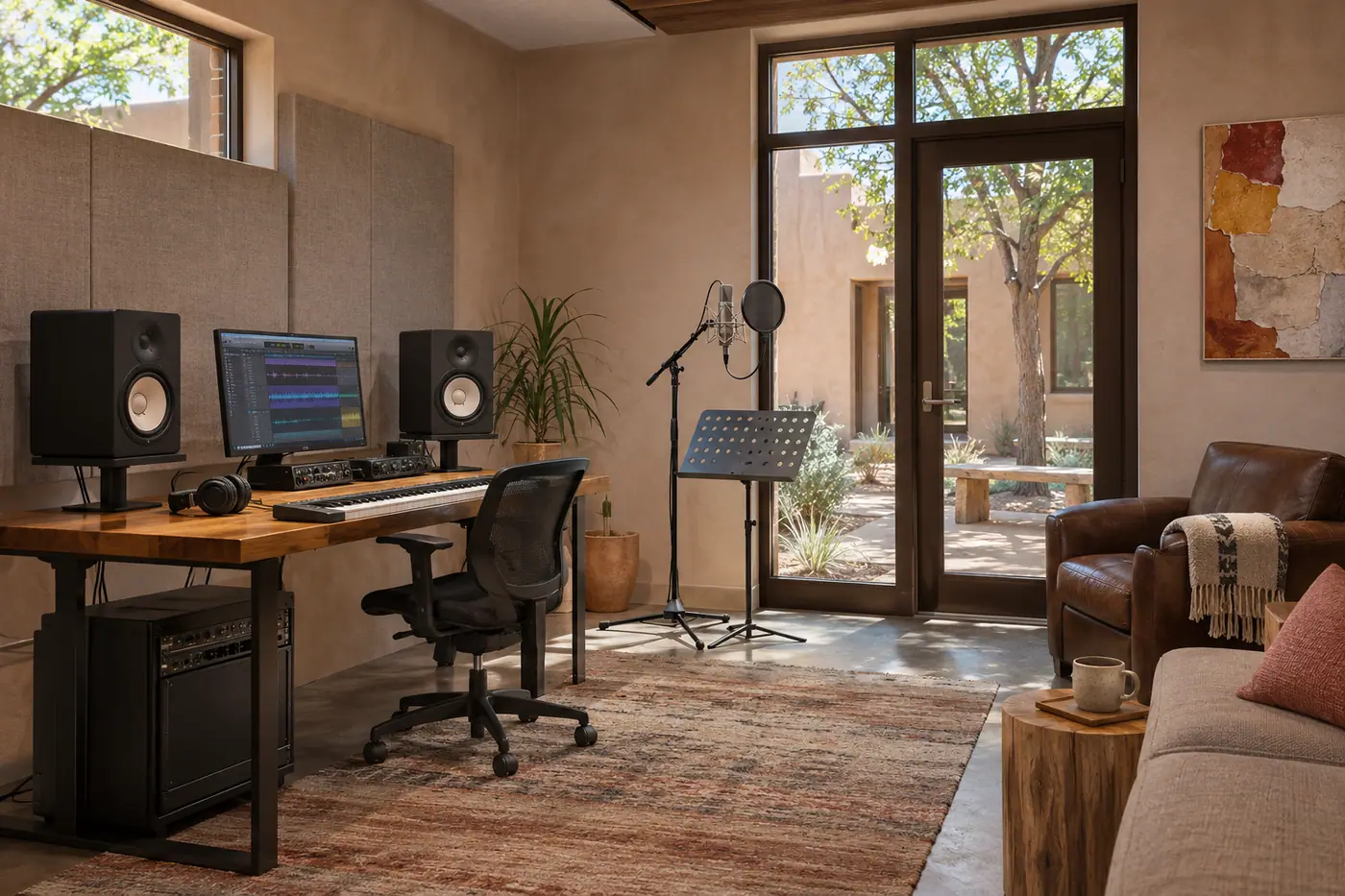
Resonance Rooms
Practice rooms, teaching studio, listening room and small recording suite
Mon–Fri 09:00–21:00; Sat 10:00–16:00 MT
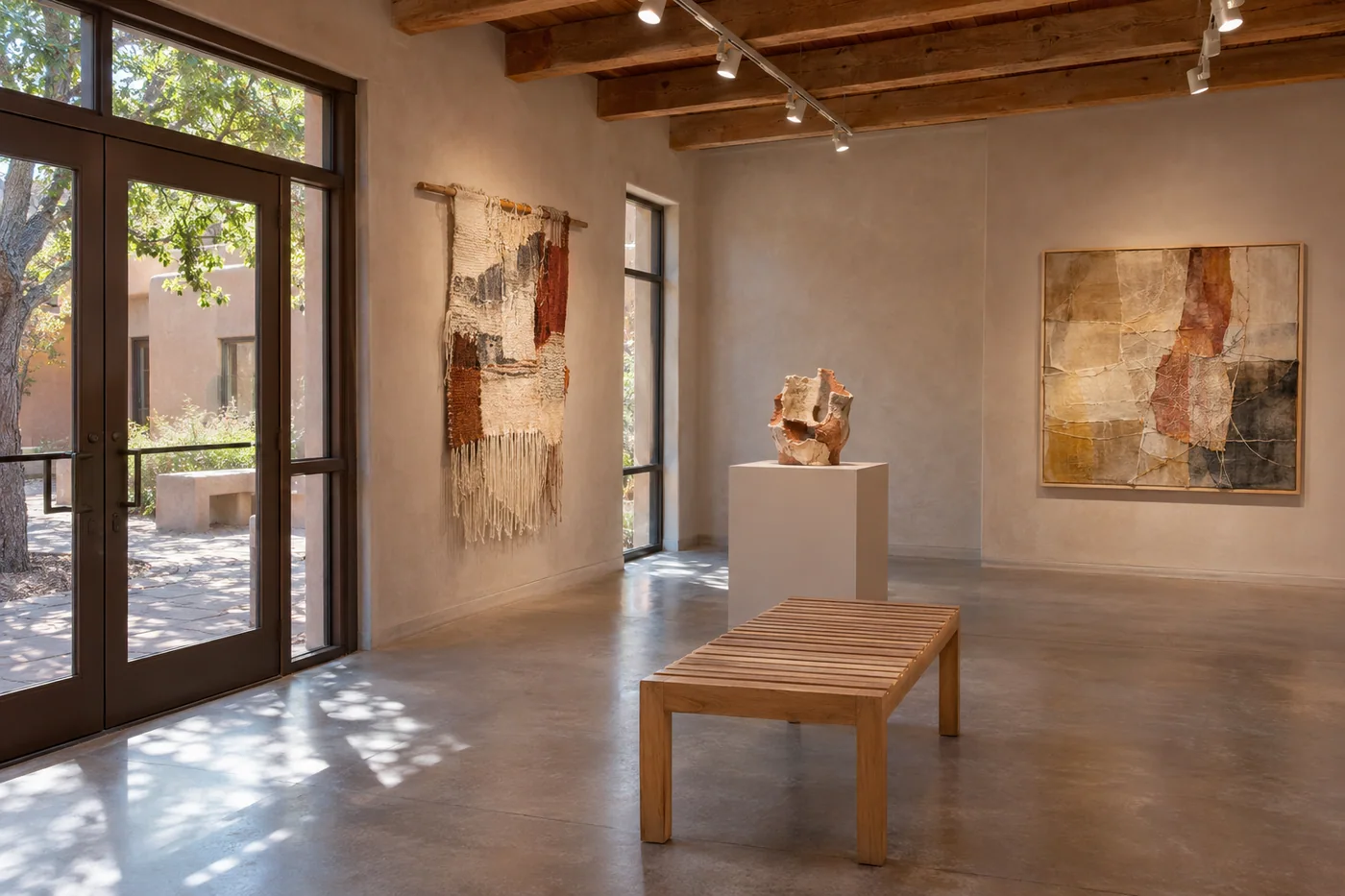
Mesa Gallery
Student exhibitions, installation preparation and public conversation
Tue–Fri 11:00–17:00; Sat 12:00–16:00 MT
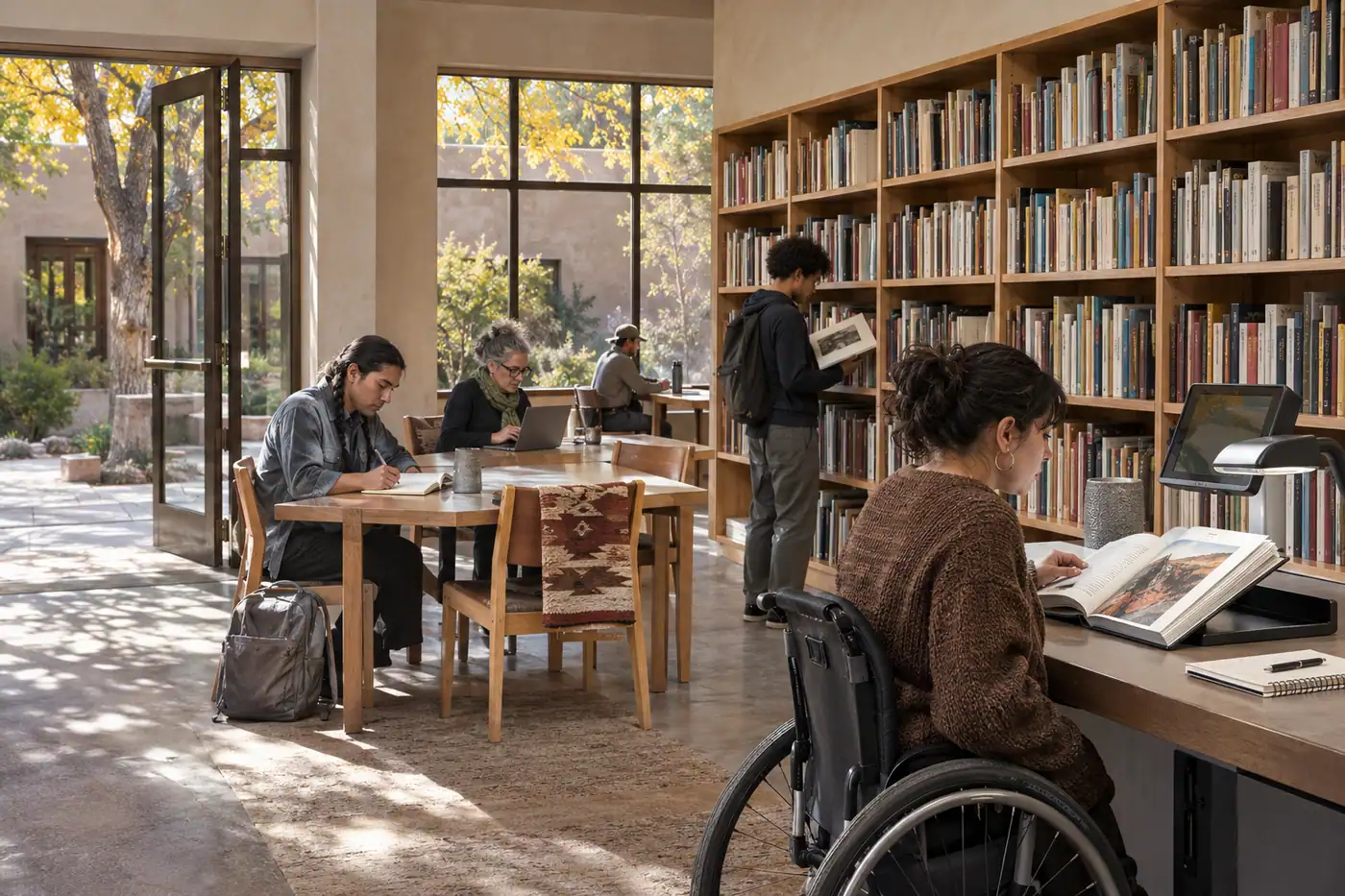
Folio Library & Writing Room
Art books, research help, writing tables, scanner and student journal shelf
Mon–Thu 08:30–21:00; Fri 08:30–18:00; Sat 10:00–16:00 MT
Leave the next person a useful starting point.
A reset is part of the scheduled activity. Label approved storage, clear routes and communicate an equipment concern to the responsible desk. A rehearsal diagram, material record or source log helps a later conversation begin with the actual work.
Access arrangements are discussed with Student Support and the relevant teaching staff. Describe the barrier or task so that an agreed approach can be reviewed when the work changes.