Visual & Material Arts
Photography, BFA
Use light, sequencing and print to build photographic work that holds attention beyond a single frame.
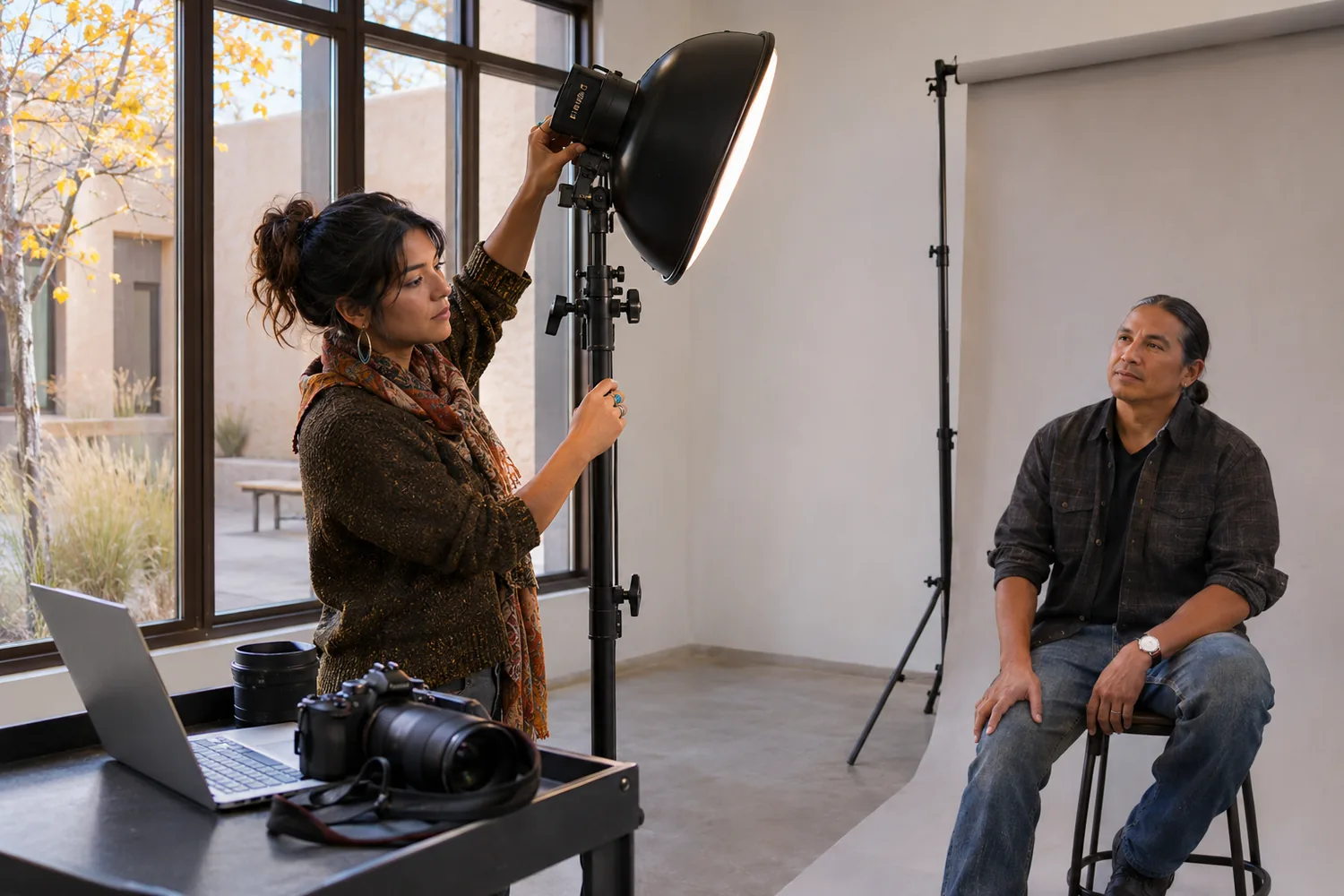
One image begins a longer conversation.
Photography asks you to make decisions before and after the exposure: where to stand, how to work with a participant, which image to omit and what a page turn changes. The program connects technical control to sequence, context and the responsibilities of presentation.
The program values a sustained practice: prepare the work, bring a specific question to discussion, compare versions and preserve a useful record of the choices made. Contextual seminars and shared courses give the work a broader set of references without replacing its practical demands.
What you will learn.
01Control exposure, lighting and output for an intended context.
02Develop a sequence with a clear visual rhythm.
03Work with consent and descriptive captions.
04Revise a project through contact sheets and print tests.
05Present a photography book or exhibition with contextual writing.
The practice across four years.
Year 1
Light and Exposure Studio: photograph one place at three times of day. Photographic Sequence Studio: edit twelve images into two different sequences.
Year 2
Lighting and Portrait Studio: compare window and controlled portrait light. Documentary Practice Studio: develop a consent-led study of an everyday routine.
Year 3
Photobook Studio: make and revise a bound photographic dummy. Expanded Image Studio: test a photograph across page, projection and wall.
Year 4
Senior Photography Proposal: propose an image series with a research and consent plan. Senior Photography Presentation: present a resolved book or exhibition with output notes.
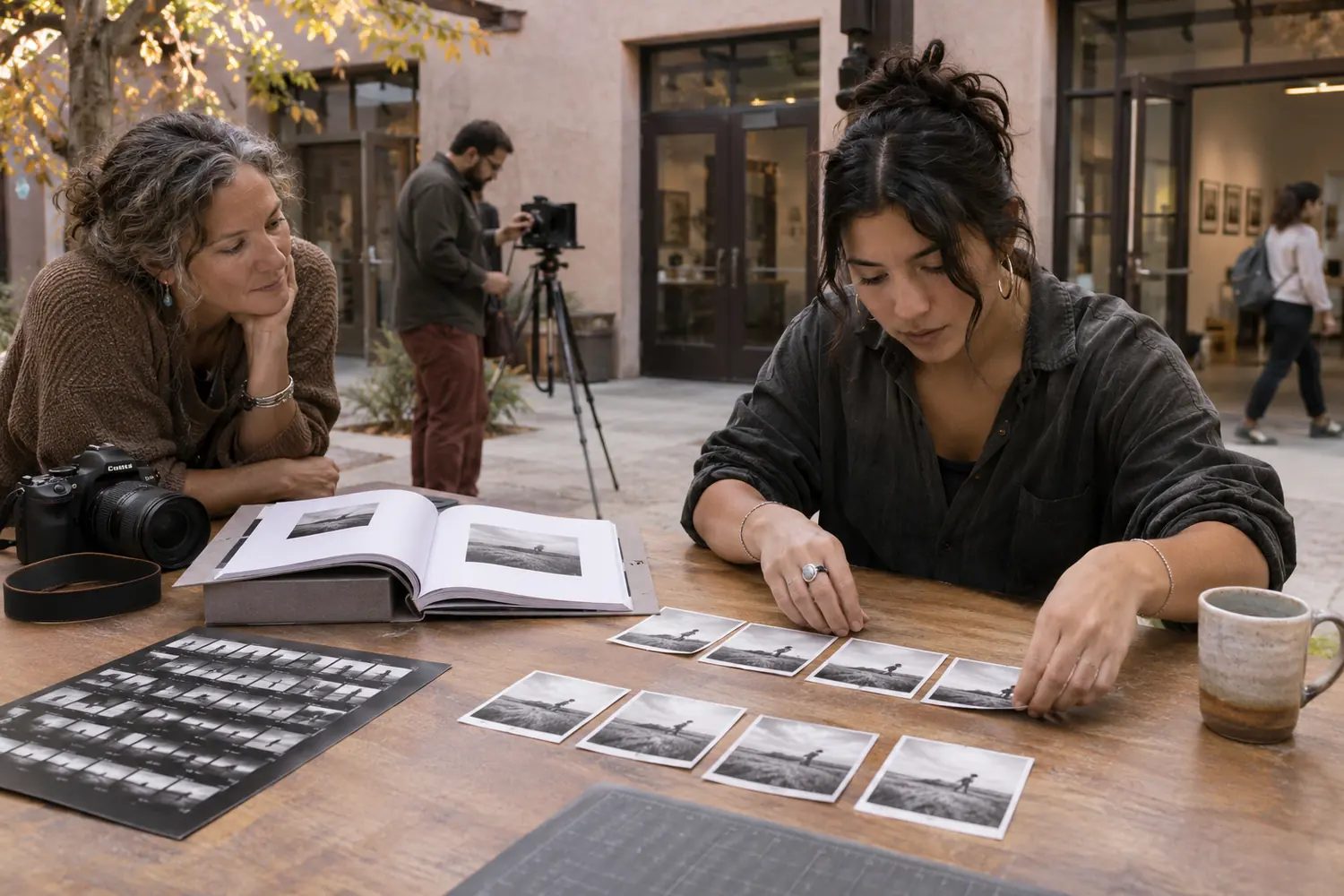
Your curriculum, made visible.
60Major
18Foundation
30General Education
12Free Elective
The degree requires 120 semester credits. Major, foundation, contextual and elective requirements are counted separately, and a course earns degree credit once.
PHO 101Light and Exposure Studio
Photograph one place at three times of day. Students connect exposure, focus and changing light to an intended image. Contact sheets and modest print tests make technical and visual decisions available for comparison.
Read the catalog entryPHO 102Photographic Sequence Studio
Edit twelve images into two different sequences. Assignments investigate how one image alters the reading of another. Small sequences are revised through page order, repetition and omission, with captions tested separately.
Read the catalog entryPHO 201Lighting and Portrait Studio
Compare window and controlled portrait light. Controlled and available light are compared through collaborative portraits. Students plan consent, role, exposure and output before selecting a final small group of images.
Read the catalog entryPHO 202Documentary Practice Studio
Develop a consent-led study of an everyday routine. Students develop an observational project with a clear account of participation and intended use. Selection, caption and source decisions are documented alongside the photographs.
Read the catalog entryPHO 301Photobook Studio
Make and revise a bound photographic dummy. The book is treated as a form with its own pace, scale and sequence. Students work through inexpensive dummies before deciding on a more resolved version.
Read the catalog entryPHO 302Expanded Image Studio
Test a photograph across page, projection and wall. Students test photographic work beyond a conventional print sequence. Projection, scale and the relation between image and surface are examined through carefully limited experiments.
Read the catalog entryPHO 401Senior Photography Proposal
Propose an image series with a research and consent plan. A final-project proposal includes a visual question, research, participant considerations and an output plan. Early tests allow the scope to be revised before production is committed.
Read the catalog entryPHO 402Senior Photography Presentation
Present a resolved book or exhibition with output notes. Students complete a book or exhibition with selected process evidence. The final review considers image relationships, output, captions and the clarity of the account offered to a reader.
Read the catalog entryPHO 141Photographic Histories
Students compare photographic forms across selected historical and contemporary contexts. Discussion asks how a photograph’s circulation changes the claims made for it.
Read the catalog entryPHO 241Editing and the Contact Sheet
Students use contact sheets to track selection, omission and the relationship between neighboring images. Alternative edits are compared through small prints rather than preference alone.
Read the catalog entryPHO 341Images and Responsibility
Students investigate consent, captions, representation and the movement of an image beyond its initial setting. Practical cases distinguish permission from a general claim of ownership over a person’s story.
Read the catalog entryPHO 441Book and Exhibition Seminar
Students translate a photographic sequence between a book and an exhibition. The reader’s pace, print scale, page turn and viewing distance become explicit design decisions.
Read the catalog entryEight semesters of developing work.
Full-time tuition covers 12–18 credits per semester. The BA/BFA sample plans carry 15 credits per term; the BMus plan carries 15–18 credits, including one 17-credit term. These are sample sequences, not promises of individual registration.
Year 1 · Spring
15 creditsYear 2 · Fall
15 creditsYear 2 · Spring
15 creditsYear 3 · Fall
15 creditsYear 3 · Spring
15 creditsYear 4 · Fall
15 creditsYear 4 · Spring
15 creditsSample plans name a feasible elective for every slot. Approved alternatives must match credits, prerequisites and seasonal availability and cannot duplicate a completed course. Open-context seminars numbered 141 are available across majors; higher seminars require the preceding seminar.
A student question in practice.
How can a sequence show a campus day without turning its workers into background?
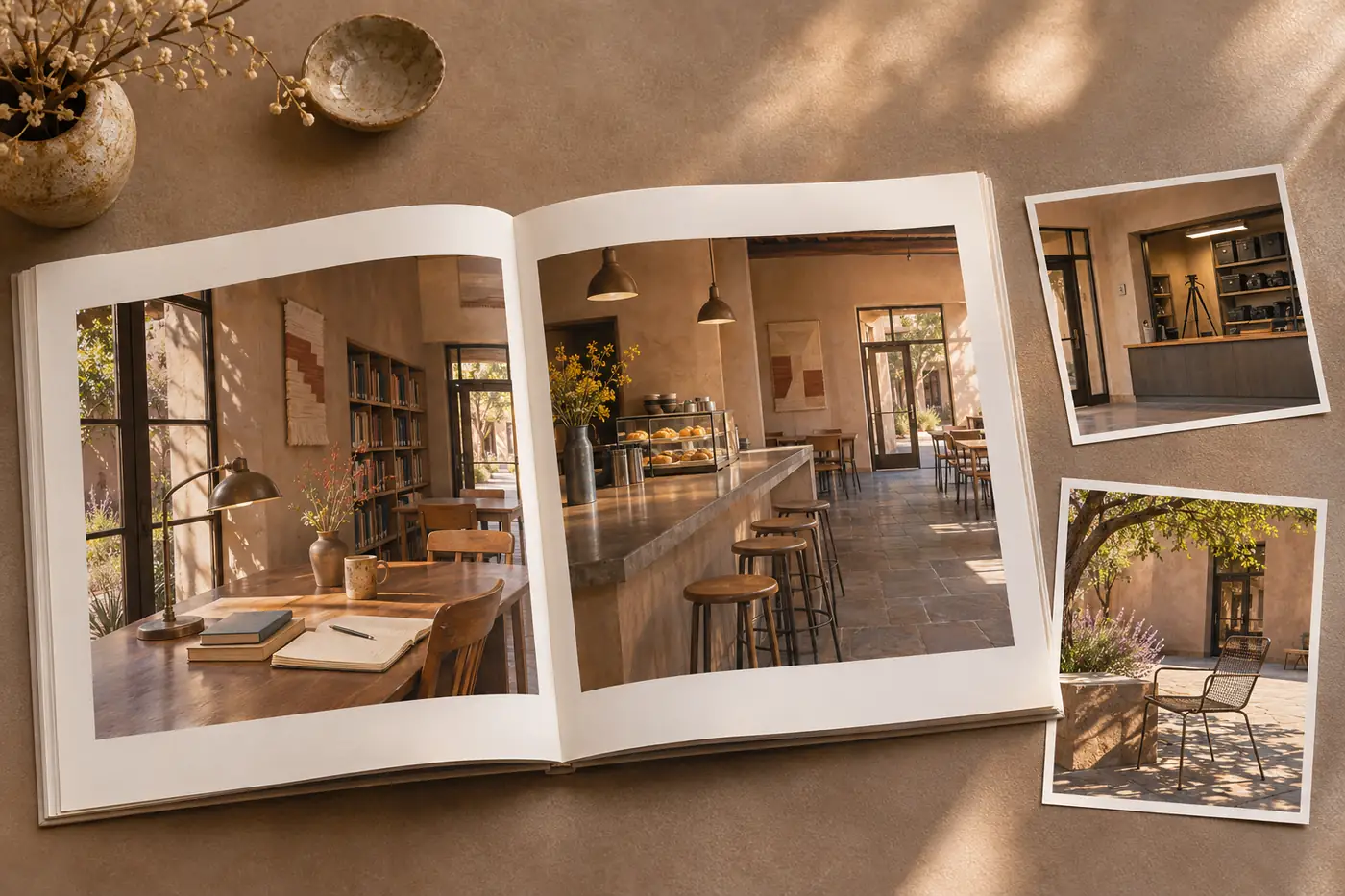
A final presentation with a record.
A photography book or exhibition and an annotated selection archive.
The final review considers both the presented work and its development. Credit, contextual research and an honest account of your role belong beside the work. Photographic practice; imaging assistant; publication production; graduate study in photography. Individual advising helps connect the next goal to a relevant selection of work and experience; it does not guarantee an outcome.
Preparing to begin.
Follow the portfolio guidance for this program. Review considers preparation and the ability to develop through feedback; a professional production or previous publication is not expected. Academic records and creative materials are reviewed together, while transfer-credit equivalence is evaluated separately.