Visual & Material Arts
Studio Art, BFA
Develop a visual practice through drawing, painting, constructed space and sustained critique.
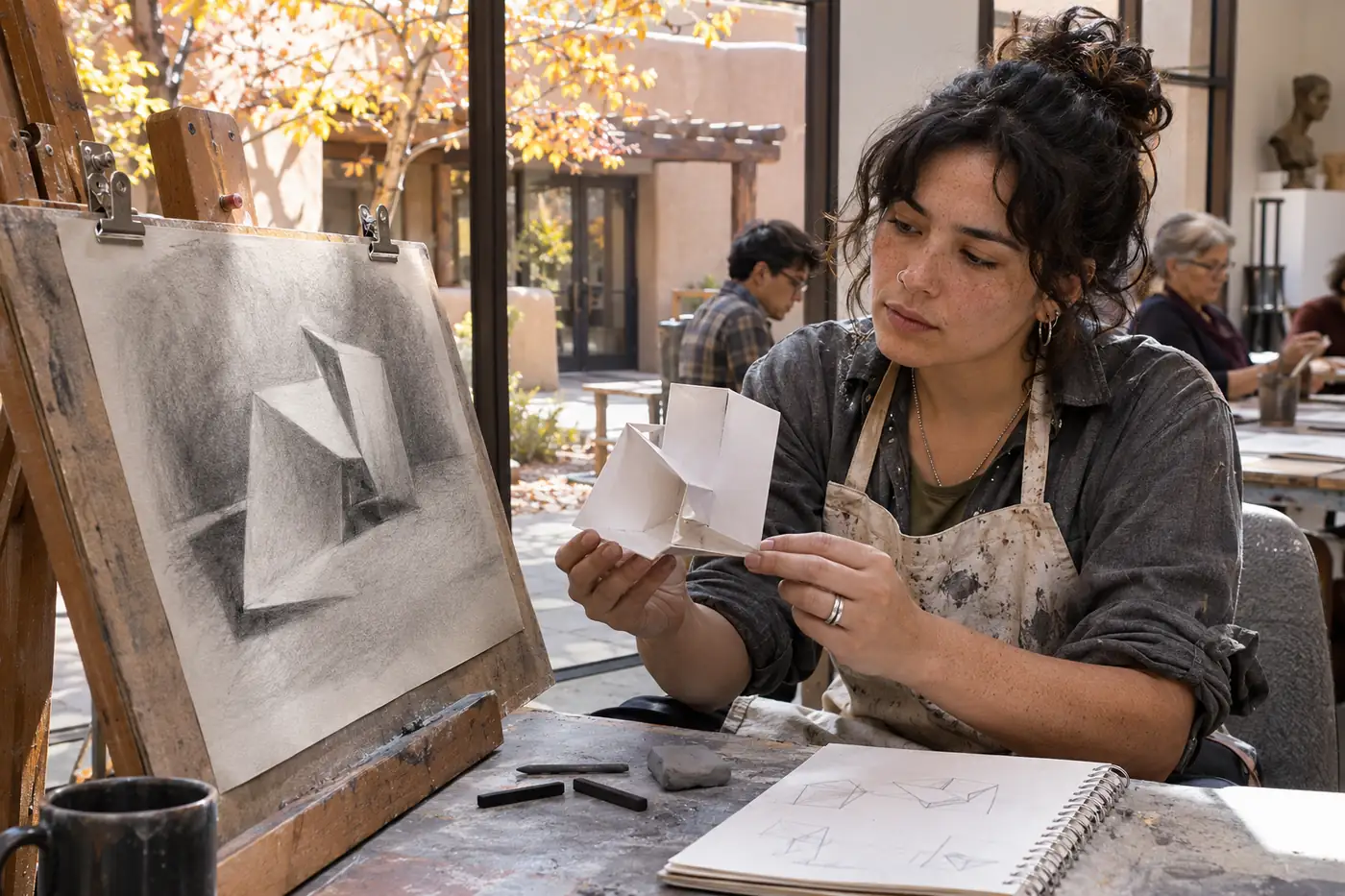
Stay with the image. Change the approach.
An observation can become a drawing, a painted study or a structure that changes how a room is seen. The studio sequence lets you compare those forms of inquiry before defining a more sustained visual question. Material trials, contextual reading and specific critique keep the work open to useful revision.
The program values a sustained practice: prepare the work, bring a specific question to discussion, compare versions and preserve a useful record of the choices made. Contextual seminars and shared courses give the work a broader set of references without replacing its practical demands.
What you will learn.
01Observe relationships of light, proportion and space.
02Select materials in support of a specific question.
03Document and revise an extended body of work.
04Connect visual decisions to contextual research.
05Install work with clear audience and access information.
The practice across four years.
Year 1
Observation Studio: record an ordinary object under changing light. Drawing and Surface: compare painted and cut-paper surfaces.
Year 2
Painting and Constructed Space: build a reversible room-scale maquette. Installation Studio: test how a viewer moves around an installation.
Year 3
Independent Visual Inquiry: develop three responses to one visual question. Material and Spatial Research: compare revisions in an annotated process archive.
Year 4
Senior Studio Proposal: propose a coherent exhibition with a scale plan. Senior Exhibition Studio: install a selected body of work and present a critical account.
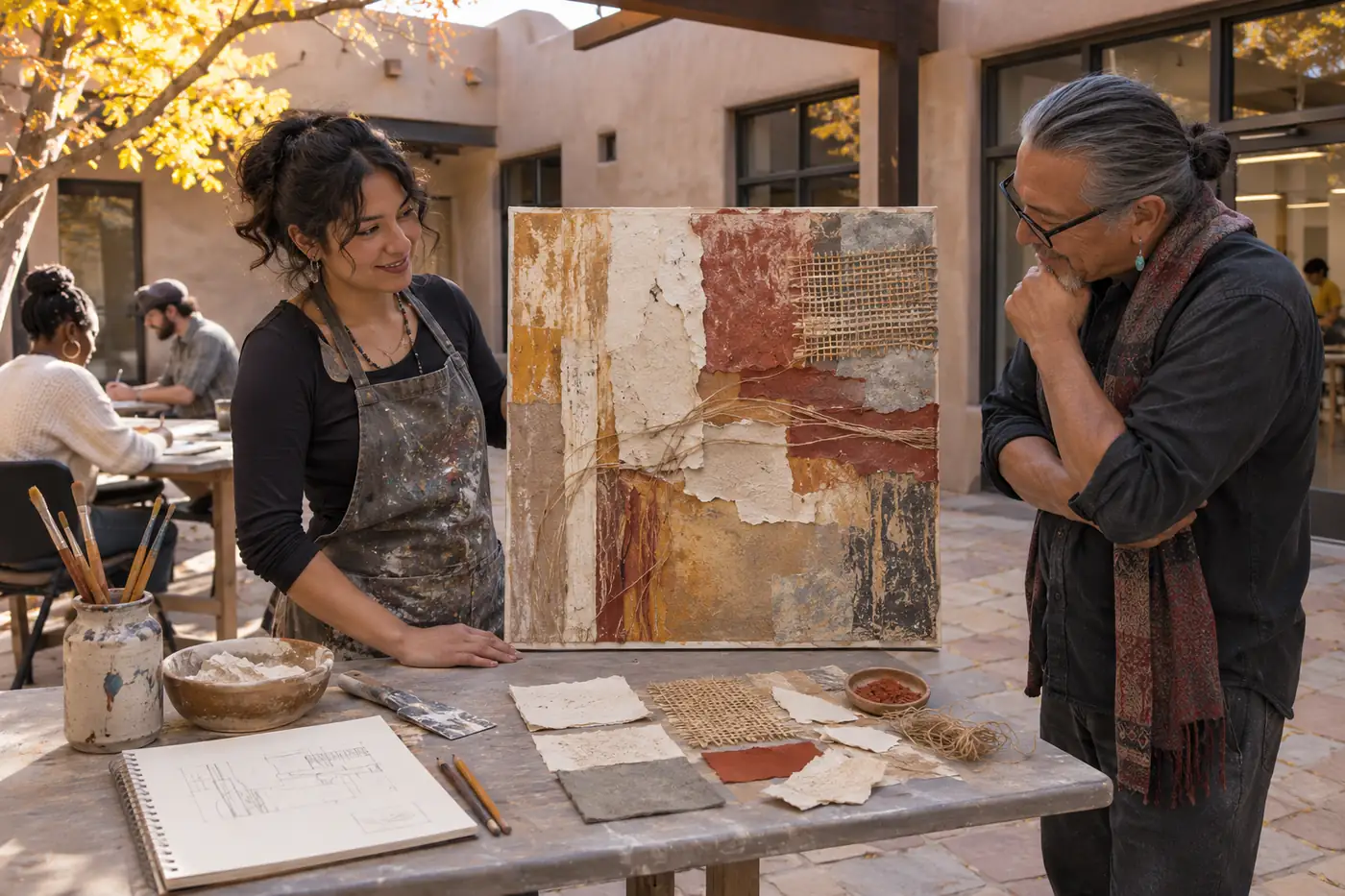
Your curriculum, made visible.
60Major
18Foundation
30General Education
12Free Elective
The degree requires 120 semester credits. Major, foundation, contextual and elective requirements are counted separately, and a course earns degree credit once.
ART 101Observation Studio
Record an ordinary object under changing light. Students move between direct looking, quick marks and sustained drawing, comparing what each approach makes visible. The notebook identifies the observed condition and the next question.
Read the catalog entryART 102Drawing and Surface
Compare painted and cut-paper surfaces. The course connects line, support and surface through drawing and low-relief experiments. Small trials precede larger work, and a comparison sheet records the effect of each material change.
Read the catalog entryART 201Painting and Constructed Space
Build a reversible room-scale maquette. Painted studies and constructed maquettes are reviewed together. Students examine edges, joins and the relation between an image surface and the space around it.
Read the catalog entryART 202Installation Studio
Test how a viewer moves around an installation. Students develop a reversible installation through scale models and temporary tests. Sightlines, clear circulation and the viewer’s changing position are part of the review.
Read the catalog entryART 301Independent Visual Inquiry
Develop three responses to one visual question. A student-defined question is pursued across several works rather than resolved in one image. Weekly selections explain which trials advance the inquiry and which should be set aside.
Read the catalog entryART 302Material and Spatial Research
Compare revisions in an annotated process archive. Material research is connected to contextual reading and experiments at more than one scale. Students maintain an archive that makes a change of direction traceable.
Read the catalog entryART 401Senior Studio Proposal
Propose a coherent exhibition with a scale plan. Students assemble a work list, production schedule, installation drawing and critical proposal. A review tests the connection between the stated question and the work actually proposed.
Read the catalog entryART 402Senior Exhibition Studio
Install a selected body of work and present a critical account. The final studio brings production, selection, installation and documentation together. Assessment considers coherence, revision and the ability to discuss choices in a public-facing presentation.
Read the catalog entryART 141Ways of Seeing
Students compare how framing, scale and viewpoint change an image before turning an observation into an interpretation. Discussion connects original studies to selected contextual examples.
Read the catalog entryART 241Image and Context
Students examine the context supplied by a title, source, display site and audience. Research is used to test a claim about an image rather than decorate an artist statement.
Read the catalog entryART 341Exhibition Studies
Students plan a modest exhibition around the relationships between works, sightlines, captions and visitor movement. Plans are reviewed through scale drawings and a clear access route.
Read the catalog entryART 441Artist Statement and Documentation
Students edit a statement and documentation set for an audience outside their studio. They compare selected images, credit formats and different accounts of the same practice.
Read the catalog entryEight semesters of developing work.
Full-time tuition covers 12–18 credits per semester. The BA/BFA sample plans carry 15 credits per term; the BMus plan carries 15–18 credits, including one 17-credit term. These are sample sequences, not promises of individual registration.
Year 1 · Spring
15 creditsYear 2 · Fall
15 creditsYear 2 · Spring
15 creditsYear 3 · Fall
15 creditsYear 3 · Spring
15 creditsYear 4 · Fall
15 creditsYear 4 · Spring
15 creditsSample plans name a feasible elective for every slot. Approved alternatives must match credits, prerequisites and seasonal availability and cannot duplicate a completed course. Open-context seminars numbered 141 are available across majors; higher seminars require the preceding seminar.
A student question in practice.
How can a light work change a viewer’s sense of a familiar doorway?
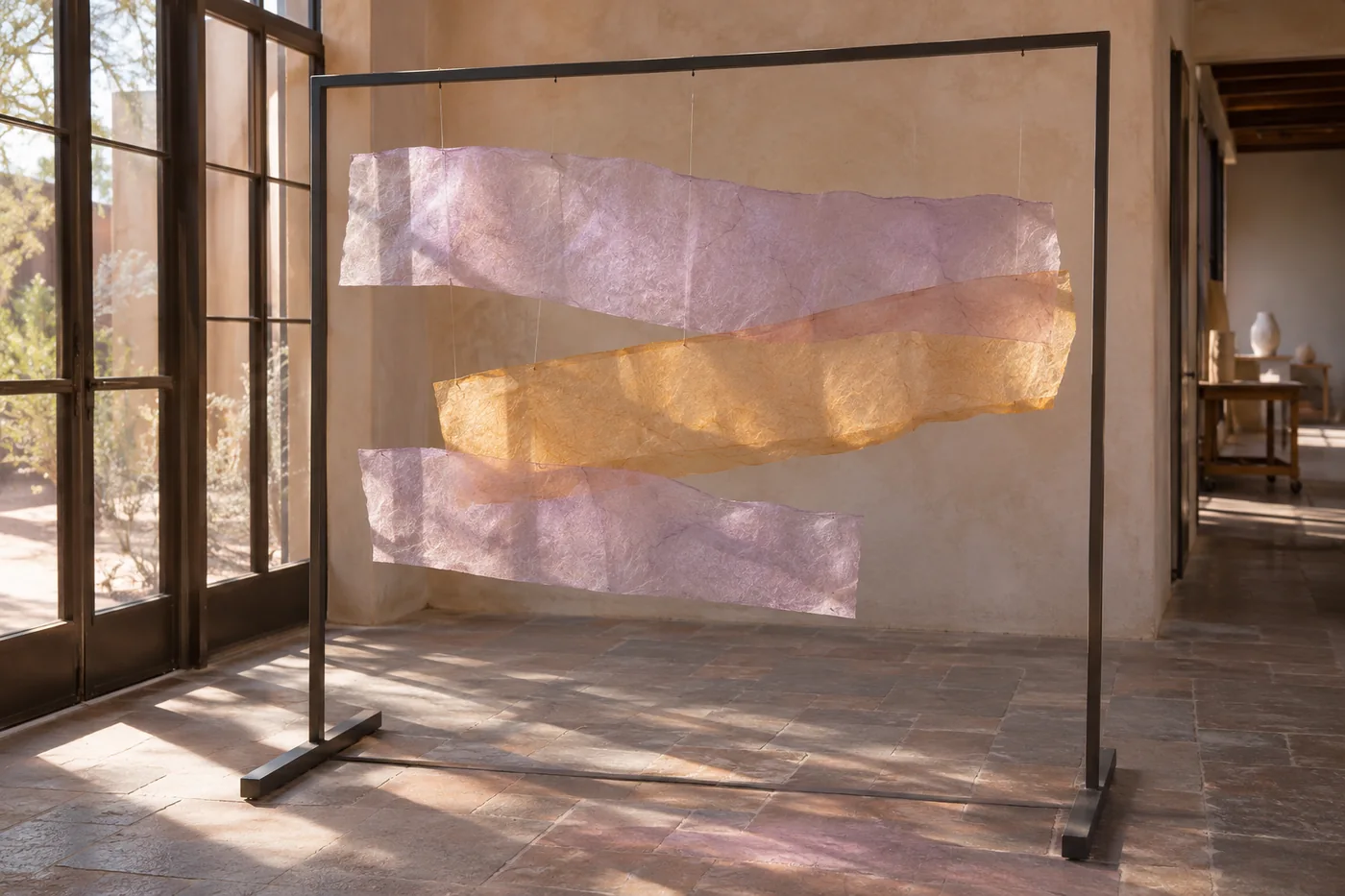
A final presentation with a record.
A group exhibition and a documented body of visual work.
The final review considers both the presented work and its development. Credit, contextual research and an honest account of your role belong beside the work. Studio artist; exhibition assistant; arts-program work; graduate study in fine art. Individual advising helps connect the next goal to a relevant selection of work and experience; it does not guarantee an outcome.
Preparing to begin.
Follow the portfolio guidance for this program. Review considers preparation and the ability to develop through feedback; a professional production or previous publication is not expected. Academic records and creative materials are reviewed together, while transfer-credit equivalence is evaluated separately.